
From SMU to Sweden: Lessons from My Exchange at Lund University
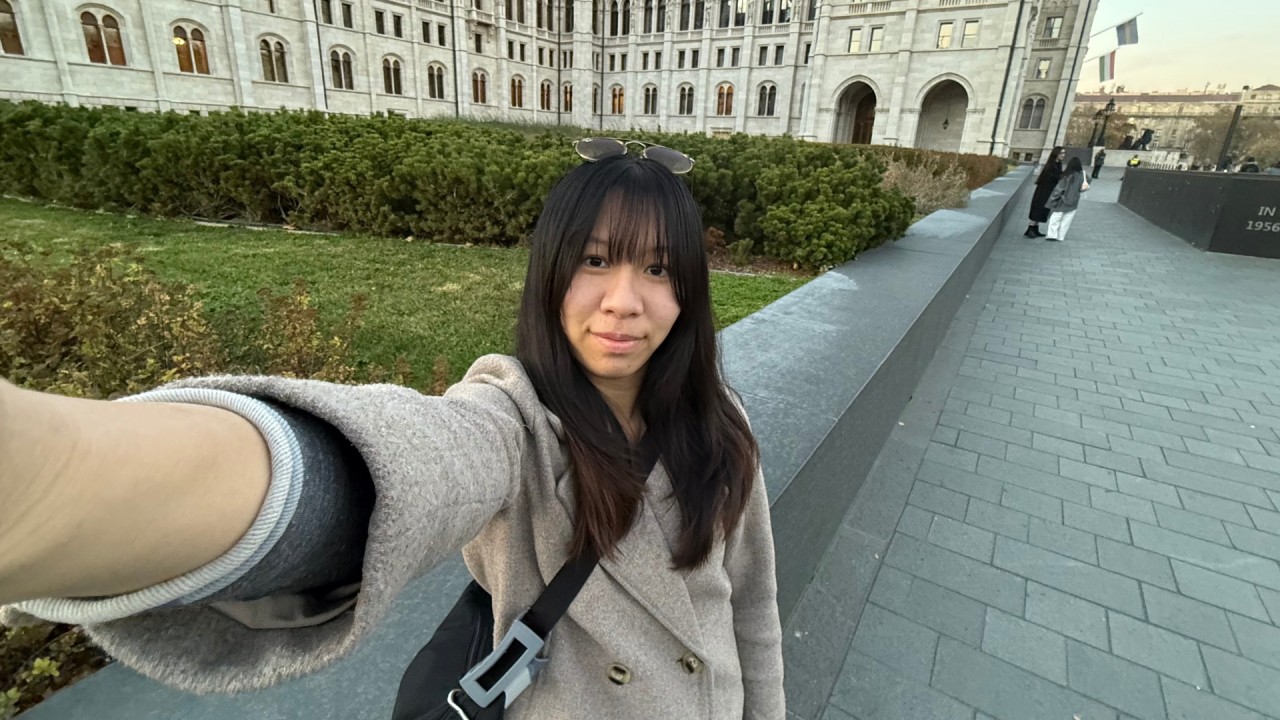
Spending a semester at Lund University in Sweden during autumn 2025, Amelia Chew experienced a student culture, academic structure, and pace of life that differed greatly from what she was used to in Singapore. From the immersive orientation, a slower pace of life, to solo travels across Europe, the exchange pushed her out of her comfort zone and reshaped how she approaches learning, daily life, and personal growth.
Spending a semester on exchange at Lund University in Sweden during autumn 2025 was easily one of the highlights of my time at SMU. From immersive student activities, a slower pace of life, to solo travels across Europe, the exchange challenged me to step out of my comfort zone, reshaping the way I approach learning and daily life.
Why I chose to do my exchange at Lund University
I chose to embark on my exchange in Europe because I wanted to immerse in a culture that’s distinctly different from Singapore’s fast-paced environment. Sweden, in particular, stood out for its balance between productivity and quality of life.
Meanwhile, Lund appealed to me as a vibrant and close-knit student town, where university culture is deeply integrated into everyday life. That sense of community became even more apparent when orientation began.
And with SMU’s support throughout the application and module mapping process, pursuing this global exposure experience felt more manageable.
Experiencing Swedish student culture through Lund’s orientation
As I started my exchange at Lund University’s engineering faculty (LTH), I experienced something quite unlike a typical orientation back home in Singapore, which usually comprises a few days of games and activities.
Known as nollning, the Swedish university orientation lasted several weeks, making it a far more immersive experience that helped students integrate through group activities and mentor groups. These ranged from student dinners called sittnings to smaller social gatherings such as board game sessions and sports activities.

One of the most memorable aspects of the orientation was attending the lively sittnings, where we would sing Swedish and English songs, including course-related joke songs, throughout dinner. The strong singing culture and highly expressive social environment were a stark contrast to what I was used to in Singapore, where social settings tend to be more reserved.
Although I was initially overwhelmed by this unfamiliar culture, being part of SMU’s diverse community had already exposed me to people from different backgrounds, which made it easier for me to connect with others during my exchange. Overtime, I gradually eased into the dinners and student life at Lund, finding that joining in the singing and cheering helped me form stronger connections with my peers.
What studying at Lund University was like as an SMU student
Apart from the student culture, studying at Lund exposed me to a different academic environment and learning approach.
In Lund and many Swedish universities, the semester is divided into two study periods, with students typically taking two modules at a time, rather than several modules concurrently as in SMU. Each study period typically lasts 7 to 9 weeks, followed by a short self-study period and exams.
The teaching format also differed from what I was used to at SMU. For instance, computing classes were split into larger lectures and smaller lab sessions, where I could consult the professors and teaching assistants. With fewer modules at a time and less continuous class interaction, I gradually learnt to be more independent in managing my study pace and more proactive in clarifying doubts during lab sessions.
At the same time, balancing multiple projects, presentations, and deadlines across different modules at SMU had trained me to be adaptable and organised, which helped me navigate the academic demands of exchange more confidently.
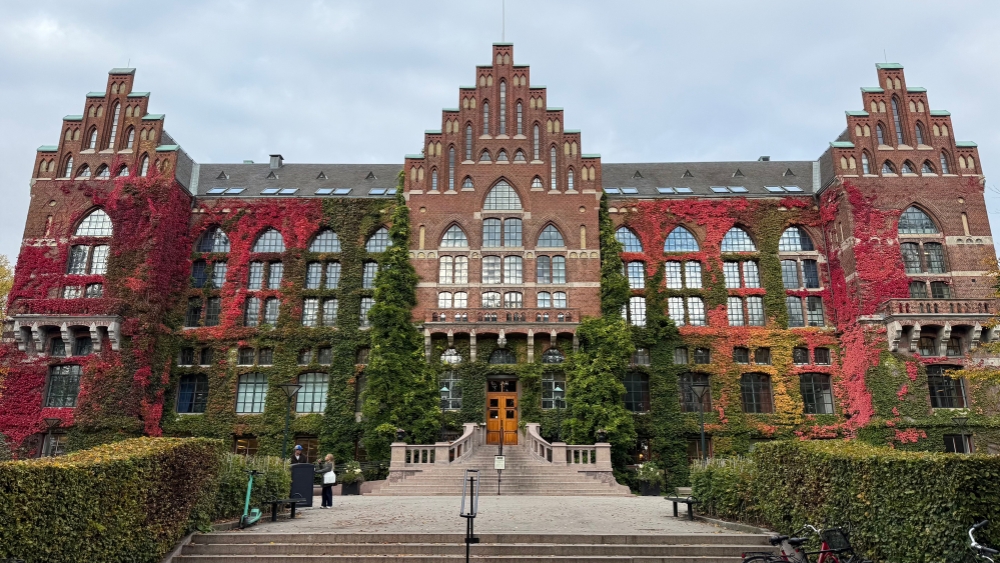
Meanwhile, I found the academic culture to be more informal, with students addressing professors by their first names, in contrast to what I was accustomed to back home. This made interactions feel more open and approachable.
Beyond my computing modules, I took courses such as Swedish Society & Everyday Life and Introduction to Scandinavian Culture & Society, which gave me deeper insights into the local social norms, beyond what I could observe as a visitor. Living in Lund further deepened my understanding of these norms.
Adjusting to everyday life in Sweden
Going on exchange in Lund allowed me to immerse in a different social environment and appreciate a slower rhythm of life, a refreshing contrast to the fast-paced lifestyle in Singapore.
Everything was within walking or cycling distance, and daily life moved at a much calmer pace. One notable difference was how early many shops and restaurants closed, unlike the late-night supper options I was used to at home.
One aspect of Swedish culture that stood out to me was fika, where people would take time during the day to have coffee and connect with others. For me, fika created a space to slow down and be present, reshaping the way I view productivity and rest.
Travelling beyond Lund: Solo travels across Europe
Outside of Lund, travelling around Europe was just as memorable. With travel so accessible, I spent weekends exploring different Swedish cities and other countries across Europe, often travelling solo at my own pace.

Some of my favourite experiences came from planning trips around concerts of my favourite artists, including Enhypen in Amsterdam, and Lorde in Copenhagen. Despite attending concerts alone, I found it surprisingly easy to connect with others through a common interest, which made unfamiliar places feel less isolating.

It also helped that concert audiences in Europe tended to be more expressive and immersed in the moment, compared to Singapore, where people are often more reserved and focused on recording the experience. I found myself enjoying the concerts more, as the atmosphere felt more engaging and communal.
Looking back, these trips pushed me out of my comfort zone and allowed me to grow, while giving me something familiar to hold on to along the way, making the experience feel more comforting.
Tips for SMU students considering an exchange in Europe
Reflecting on my exchange experience, I recall making some adjustments to make the most of my time abroad. Here are some tips I hope will be helpful for future students considering an exchange in Europe.
Take care of your health and well-being
Living in a colder country with shorter daylight hours can take some adjustment. Maintaining a simple routine, getting enough rest, and ensuring I had enough Vitamin D intake made a noticeable difference to my energy and overall experience.
Step beyond familiar circles
When settling in, it can be easy to stick with fellow Singaporeans, but making the effort to step beyond that circle can make a significant difference. Forming friendships with people from different backgrounds made my time abroad far more enriching and meaningful.
Don’t be fixated on covering a lot of ground
With so many opportunities to explore Europe, it’s easy to get caught up in country-hopping. However, some of the best moments come from immersing yourself in your university town and connecting with the people around you.
Travelling too frequently can also become physically tiring, making it harder to fully appreciate each place. Slowing down and being more intentional with your trips can make for more fulfilling experiences.
What my exchange at Lund University taught me
Overall, my exchange at Lund challenged me to step out of my comfort zone. It taught me to be more independent, embrace new ways of learning and living, and appreciate the value of slowing down. More than anything, the people, perspectives, and everyday experiences I encountered during my exchange continue to shape how I see the world today.
Inspired by Amelia’s exchange experience? Explore global exposure opportunities that can help broaden your horizons, develop global perspectives, and grow beyond borders.