
SMU Impact Stories: From Human Rights to the Finish Line
From spotlighting underreported issues as a journalist to building inclusive sports communities, Trang Chu Minh (Master of Communication Management*, Class of 2015) reflects on how storytelling has shaped her approach to advocacy and social impact.
*The programme is now offered under the SMU MBA.
When Trang Chu Minh was working on a campaign against conversion therapy in the US, the issue was not a lack of awareness. Major medical and mental health organisations had long condemned the practice, which falsely claims to change a person's sexual orientation or gender identity, as harmful and scientifically baseless. Yet in the absence of an outright ban, it was still being offered by licensed therapists in multiple states.
Working alongside human rights advocates and legal experts, she helped surface that disconnect between scientific consensus and public policy. In Illinois, these efforts contributed to the enactment of the Youth Mental Health Protection Act in 2015, one of the first state-level bans in the US on conversion therapy for minors.
A similar pattern emerged when she later worked on child marriage reform in the US. While the country had named ending child marriage a foreign policy priority, that same standard did not apply at home. At the time of her team’s research, all 50 US states still allowed minors to marry with parental or judicial consent. Teaming up with pro bono lawyers and the nonprofit Unchained At Last, she documented how these loopholes enabled forced marriages, often used to conceal rape or teenage pregnancy. Ironically, children who could not drive, sign a contract or access a domestic violence shelter were legally permitted to wed.
Alongside the legal research, sustained public advocacy brought visibility to an issue few were aware of. Campaigners held protests in bridal gowns, with their arms chained and mouths taped, to reflect the lack of agency many of these girls faced. Together, these efforts helped catalyse the first full bans in the US, starting with Delaware and New Jersey in 2018, though progress across other states remains uneven.
Questioning established narratives
Growing up as a Vietnamese girl in a small town in Hungary, Trang experienced sexism, racism and exclusion from a young age. She says she champions underdogs because she too has been one — told too many times that she was too inexperienced, different or soft-spoken to lead. Those experiences shaped a lifelong commitment to amplifying issues that rarely make the headlines and voices that seldom reach the decision-making table.
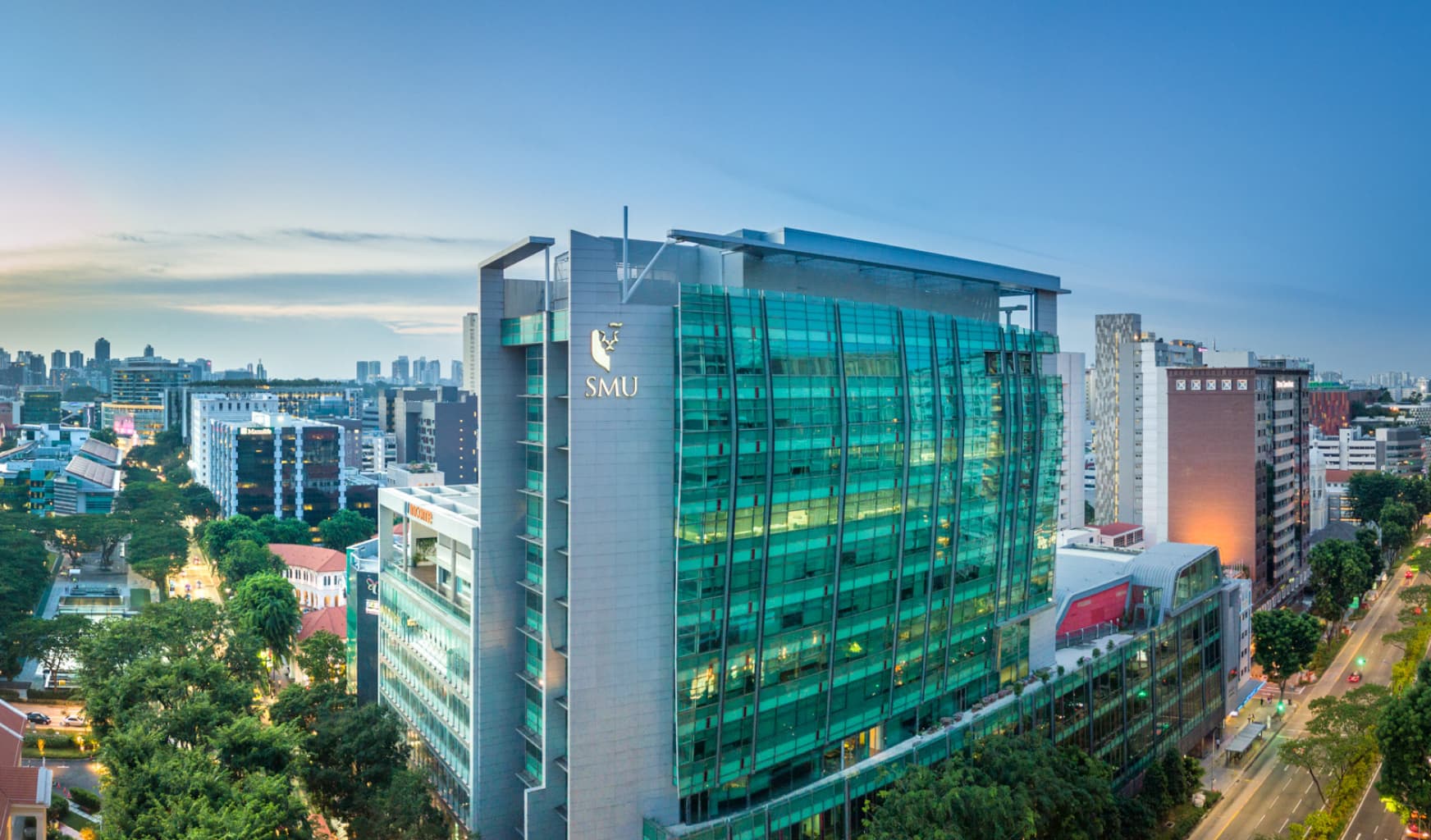
She later sought to complement an academic background in political science and international relations with a clearer understanding of how business and communications can drive change. That search brought her to the Singapore Management University (SMU) and the Master of Communication Management programme1 at the Lee Kong Chian School of Business.
“One aspect of SMU that stayed with me was the joy of rigorous discussion. Our debate-driven classes reinforced the importance I place on questioning established narratives, while staying open to perspectives that challenge my own assumptions and biases.”
That mentality proved particularly relevant in fields such as human rights and sustainability where competing priorities often conflict, nuance is frequently ignored and easy answers are rare.
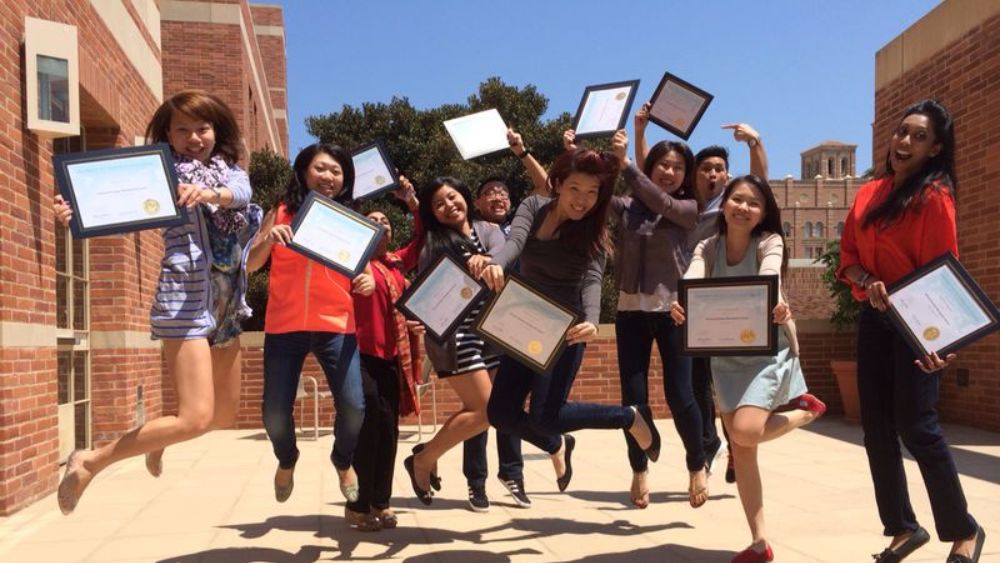
The programme’s international component — study periods at UCLA and the Università della Svizzera italiana in Switzerland — and exposure to peers and mentors working at the forefront of corporate stewardship and responsible business broadened her perspective on purpose-driven communications and the role of business as a force for good.
During this time, she continued to explore complex social and environmental issues, contributing a piece on ethical fashion to the Lien Centre for Social Innovation’s Social Space magazine and writing for the Lee Kong Chian School of Business alumni blog on sustainability communications when the concept was still unfamiliar to most organisations.
Spotlighting underreported social and environmental issues
Early in her career, Trang worked at the Thomson Reuters Foundation, one of the first organisations to build a global news desk dedicated to reporting on issues routinely overlooked by mainstream media, from modern slavery and human trafficking to climate change and women’s rights. It was there that she came to appreciate the power of storytelling in shifting narratives and influencing policy, particularly when it brings lived experience to the forefront.
In a campaign advocating for safe shelter for LGBTQ+ refugees, stories of individuals fleeing countries where homosexuality is punishable by death helped transform abstract policy debates into something painfully human. In another project, she supported an art exhibit on acid violence in the UK, which challenged common assumptions about who is affected by the crime. While often associated with violence against women in developing countries, the UK was seeing a rise in attacks linked to gang violence that predominantly affected men. The project also drew attention to concerns about the ease of access to corrosive substances, a factor linked to the increase in attacks.
“Stories can shift perception, especially when they make distant issues feel closer to people’s everyday lives,” she says. “But they must be told without exploiting or sensationalising people’s experiences.”
That perspective continues to shape her work in disability inclusion. “When people with disabilities are viewed primarily through their needs or limitations, it can reinforce a charity model,” she explains. “I aim instead to spotlight their strengths and agency, whether that’s a runner completing her first race, or a community supporting one another through everyday caregiving challenges.”
Building inclusive sports communities
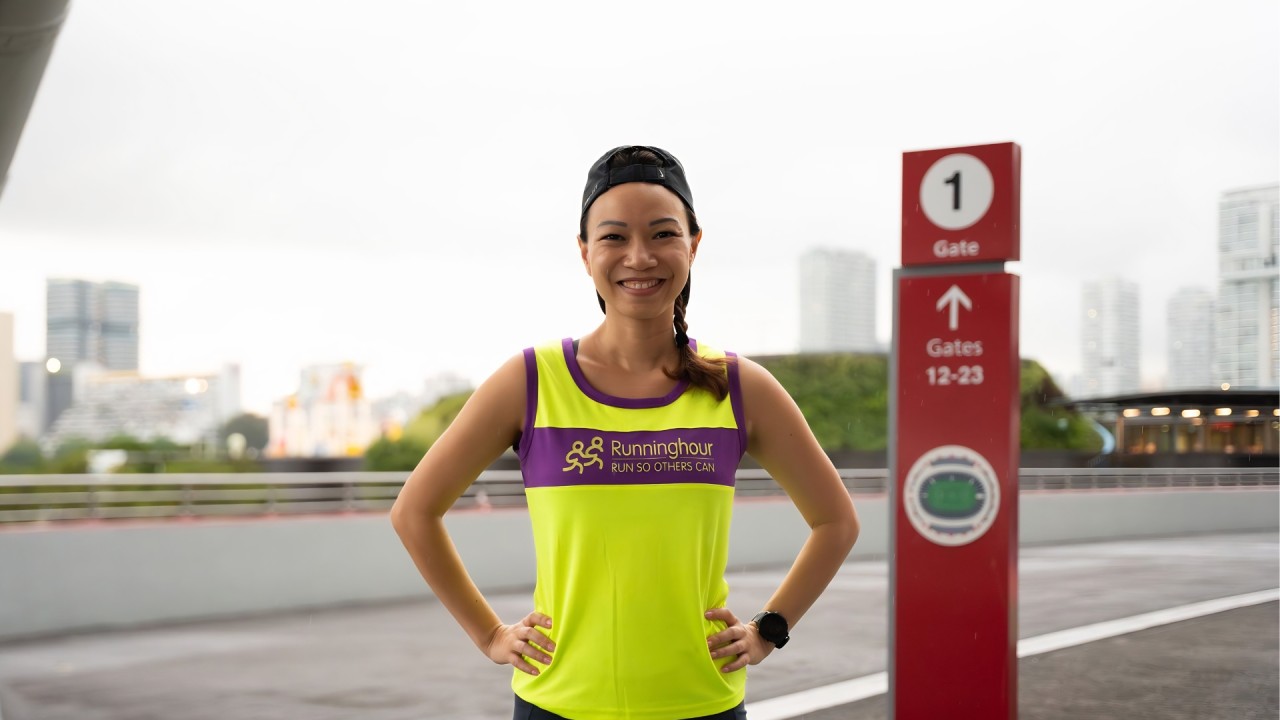
In 2020, during a solo jog amid the pandemic lockdowns, Trang spotted a group of Runninghour athletes in their signature bright neon-yellow T-shirts. She wrote a story about the inclusive sports community and became a regular volunteer. Years later, she serves on its management committee, coaches fitness classes and runs with athletes with a range of disabilities, from autism and intellectual disabilities to visual impairments.
“People often describe volunteering as ‘giving back’. But I have honestly received far more than I have ever given.”
In Singapore, people with disabilities face limited access to inclusive physical activity. Sustained participation in sports can improve physical health, mental wellbeing and social connection, yet many lose structured opportunities for activity and engagement after leaving school — what is often referred to as the post-18 cliff.
While parasports organisations provide important pathways for competitive athletes, they often operate with eligibility and performance criteria that exclude those seeking community rather than competition. At the same time, mainstream sports environments are not always equipped to support a wide range of needs.
Runninghour takes a different approach — an open-access, community-based model where people of all abilities can train together, form meaningful bonds and benefit from regular movement.
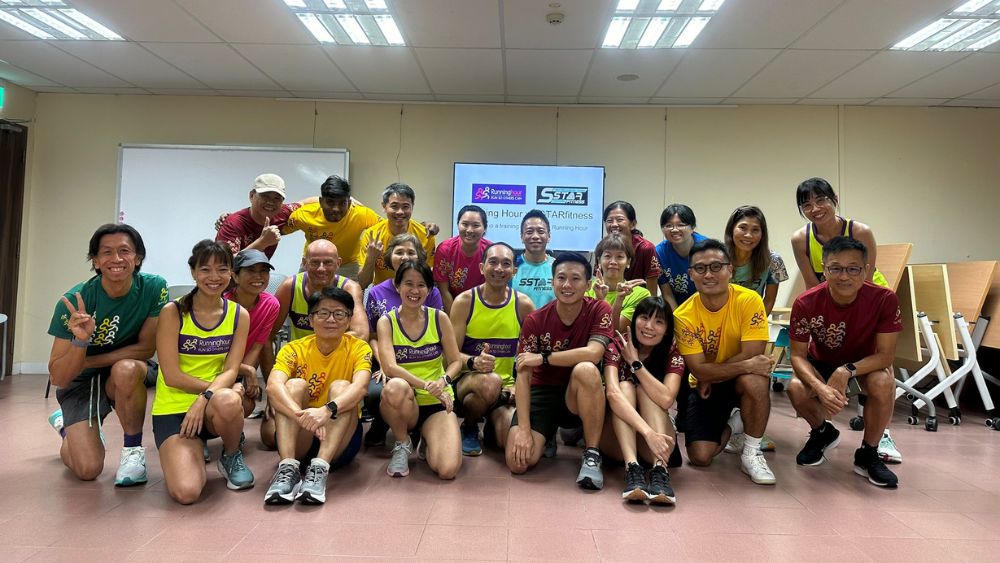
“I joined Runninghour’s management committee to strengthen the quality and sustainability of our programmes while preserving their community-first spirit,” Trang explains. “That meant working across virtually every aspect of our operations: redesigning our training and induction programmes, strengthening governance, doubling our race partnerships, introducing volunteer upskilling initiatives and securing grants to sustain our work.”
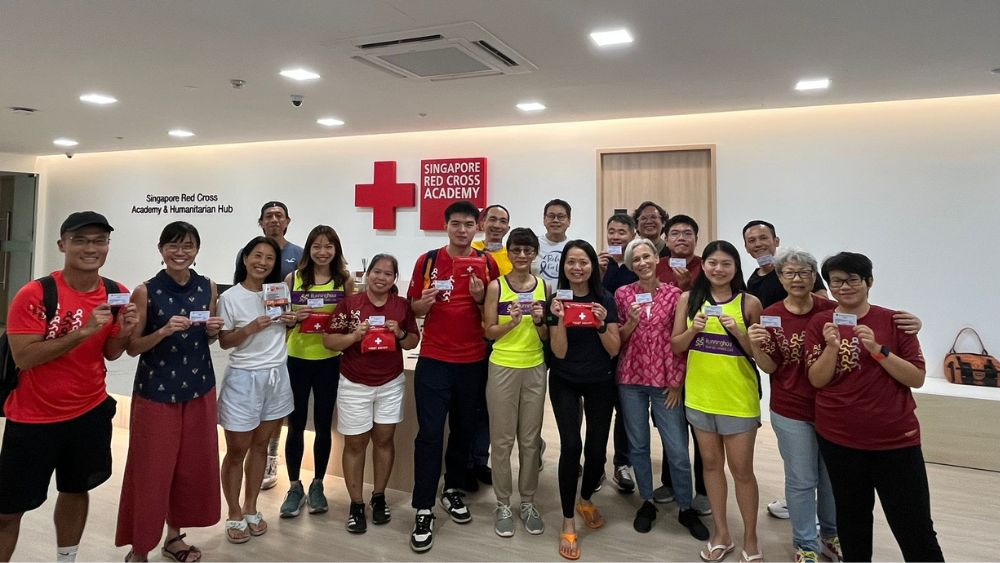
Today, Runninghour has grown from an informal running group into one of Singapore’s most active inclusive sports communities, with more than 800 athletes with disabilities, volunteers and caregivers in its membership. In 2025 alone, it engaged over 10,000 participants across more than 220 activities, expanding beyond running to fitness, yoga, hiking and adaptive sports such as dragon boat and rock climbing.
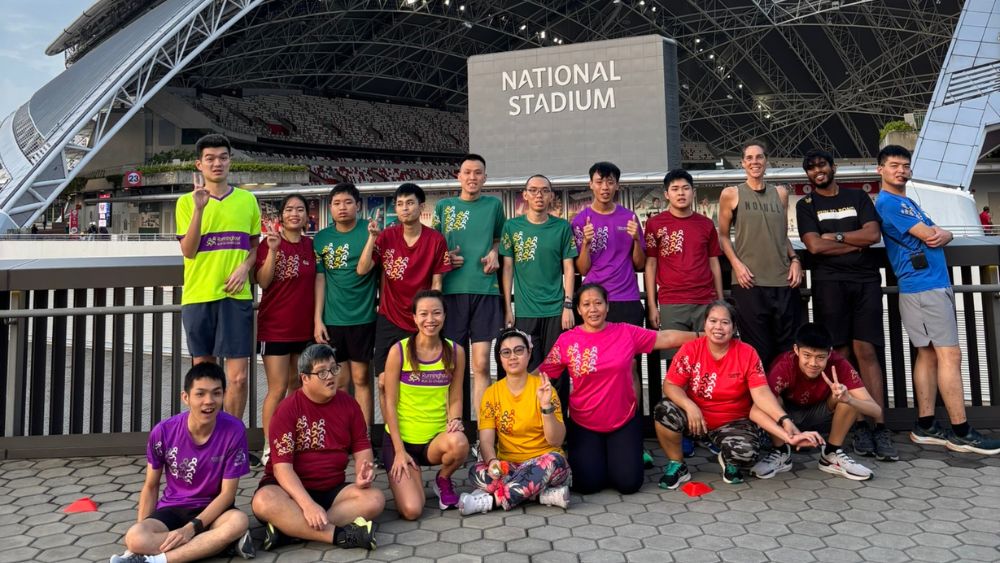
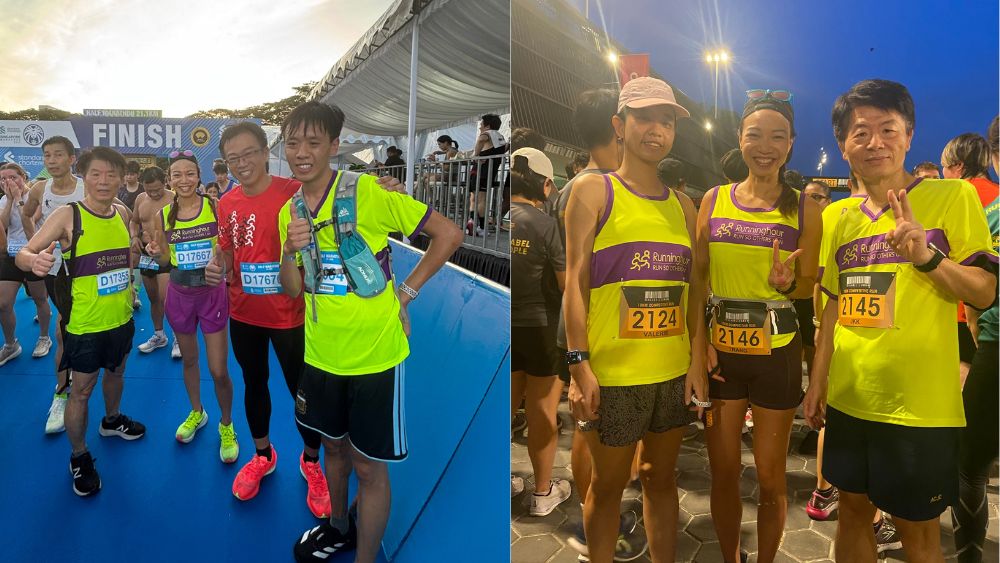
In a volunteer-run organisation where resources are limited and challenges often seem endless, what keeps her going are the individual stories of resilience and perseverance. There is P., an athlete with autism, who finished his first half marathon with Trang after years of being told he would never succeed. Or V., who has a visual impairment and was once mocked for wanting to run long distances. She ran her first 10km with Trang in 2021 and completed her first marathon last year.
"Their journeys reflect my long-term vision," she says, "where sports is not just about performance and competition, but about empowering individuals of all abilities to reach their full potential."
Towards a different future
Trang hopes to see a shift from a system that supports people with disabilities primarily through care and accommodation to one that enables a more dignified and fulfilling adulthood. She points to emerging models already taking shape in Singapore: from supported employment initiatives like Foreword Coffee’s barista training academy to organisations such as ART:DIS, which helps artists with disabilities take on commissioned and project-based work. There is also growing experimentation around community living models such as the Independent Living Studio and the Enabled Living Programme, which offer adults with disabilities opportunities to explore more independent forms of living.
“Over time, I hope my work contributes to a future where people with disabilities are defined not by care needs or limitations, but recognised as people with aspirations and strengths. Where support does not collapse when school ends, where movement and wellbeing are treated as essential, not optional, and where caregivers have the confidence that their loved ones will continue to lead fulfilling lives, even after they are no longer around.”
The SMU Impact Stories series spotlights the journeys of our faculty, alumni, students, and partners who are driving positive change through education, research, and community engagement. Discover more stories here.