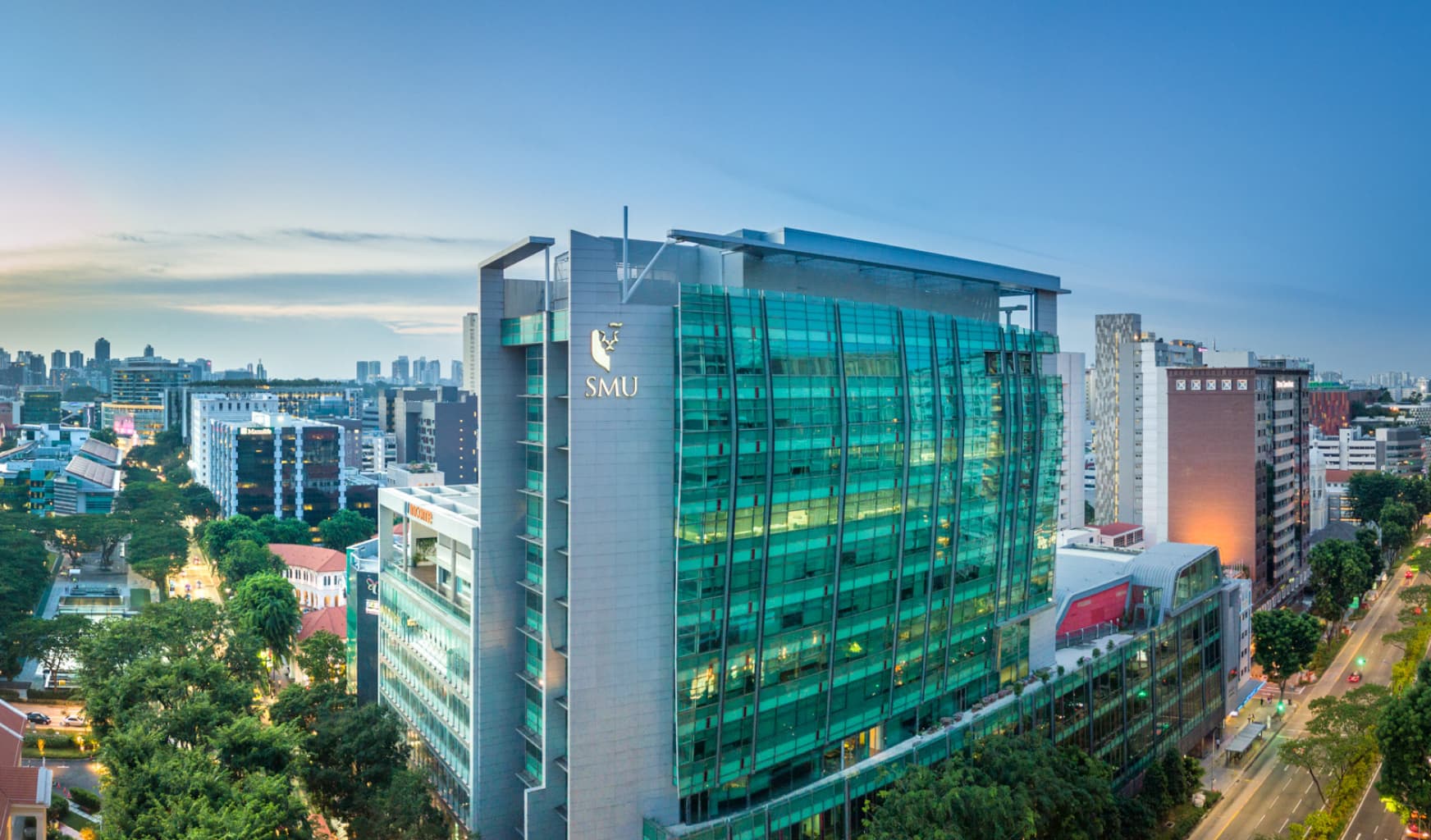


More Than a Dancer: How Bianca Arana Grew as an Artist and Leader at SMU
Bianca Arana entered SMU wanting to become a better dancer. Through SMU Eurhythmix, her classroom experiences and SMU Arts Fest, she discovered that contributing to the arts could also mean leading with empathy, exploring new ideas and creating opportunities for others.
When Bianca Arana entered SMU, she had a clear goal: to become a better dancer.
Having danced from a young age, she wanted to refine her technique, learn from instructors she admired and train alongside others who shared her commitment to the art form. But as she became more involved in university life, the question she was asking began to change. Instead of focusing only on how she could grow as a performer, she started thinking about what she could contribute.
That shift took Bianca from dancer to Dance Captain and Executive Committee member with SMU Eurhythmix (EMIX), while opening up new ways to think about production, leadership and the role dance could play in connecting people with unfamiliar stories and cultures. As the recipient of the 2026 SMU Emerging Artist Award, she now sees growth not only in what she can achieve as a performer, but also in what she can make possible for others.
Finding a bigger purpose in dance
Dance began as a childhood hobby for Bianca before gradually becoming an important part of how she expresses herself.
“Growing a relationship with dance is like learning a new language that can communicate without words,” she says. “It has given me a creative outlet to not only tell my story, but the stories of those around me.”
Over 18 years, dance has taken her from small school events to international stages. Being surrounded by creatives in Singapore and overseas also helped her become more open-minded and confident in developing her own artistic voice.
“There is no Bianca without dance,” she says. “I am unable to imagine my life without it.”
Bianca’s initial ambitions at SMU were centred on improving her craft. She hoped to learn from SMU EMIX resident choreographers Gin and Derrick, whom she looked up to, and train with like-minded dancers.
Her focus broadened as she became more involved in SMU EMIX. Seeing where her experience could contribute, Bianca stepped forward as Dance Captain and later joined the club’s 23rd Executive Committee.
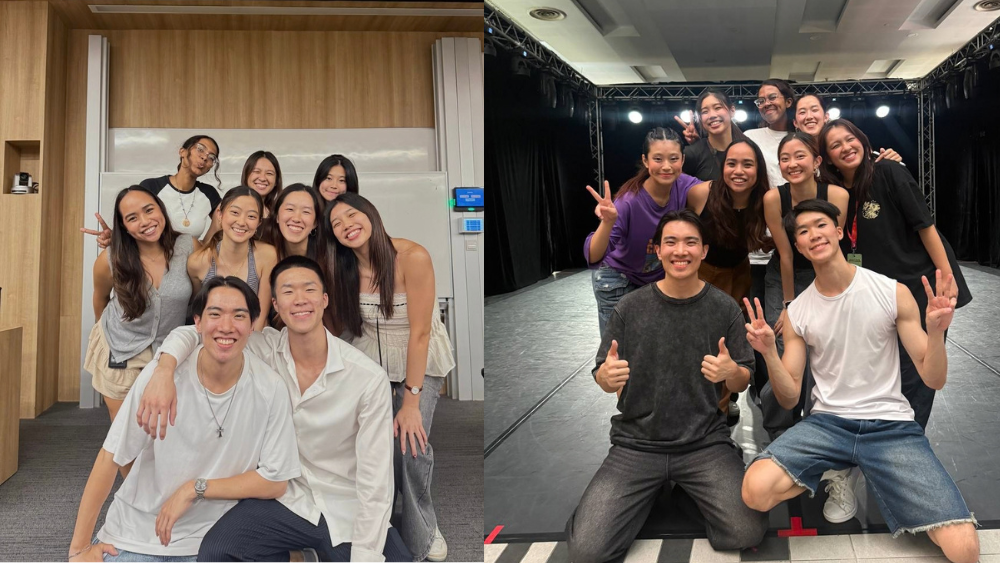
Her intention was simple: to create an environment where dancers could develop. Together with her team, she worked on SMU EMIX’s regular activities while seeking more chances for members to perform and compete internationally.
“That was where I learnt that while individual goals are important driving factors, it is much more rewarding to achieve collective goals,” she says.
Becoming a stronger dancer still mattered. But Bianca was beginning to see that her experience could be used to support the growth of an entire community.
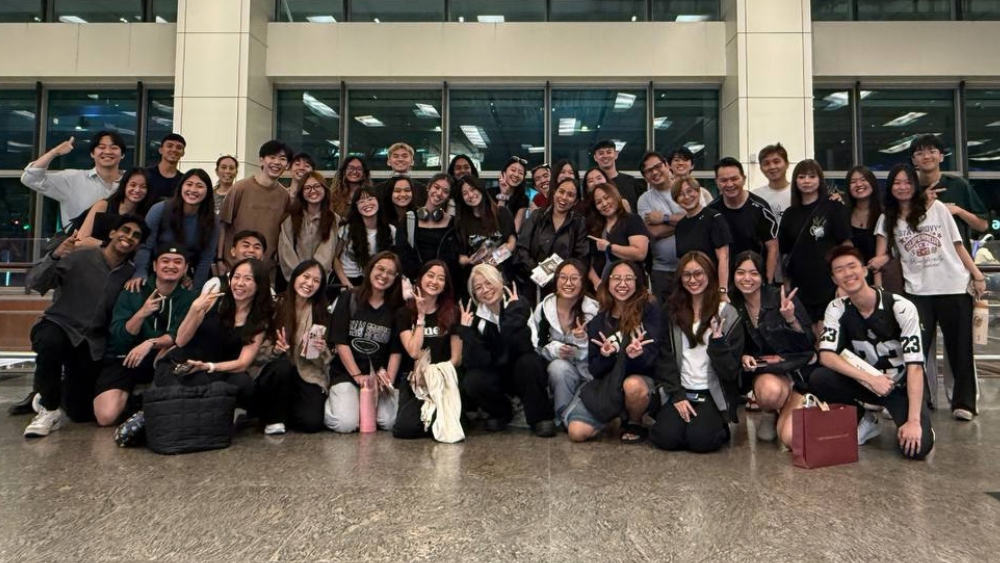
Learning that leadership begins with listening
As Bianca took on more responsibility in SMU EMIX, she began to look beyond her own role as a dancer. Creating opportunities for others meant understanding the work behind each performance and how the people involved could be supported.
Having previously served as Vice-President of the Temasek Polytechnic Dance Ensemble, Bianca brought valuable production and stage management experience to SMU – skills she further honed on major events like Super 24 and GEM 16:AKAR.
Working behind the scenes gave Bianca an appreciation for the collective effort required to bring a performance to life. It also shaped her choreography, helping her plan around a venue’s technical possibilities and communicate effectively with production teams.
At SMU, these experiences shaped how Bianca approached leadership. Through EMIX, she became more conscious not only of what had to be done, but also of how a leader could support the people involved.
Encouraged by SMU EMIX seniors and alumni whose commitment mirrored her own vision, Bianca felt confident stepping up into greater leadership roles. Her SMU classroom experiences reinforced this. Discussions with classmates from different backgrounds taught her to listen actively and consider viewpoints that differed from her own, habits she found especially valuable when navigating creative differences.
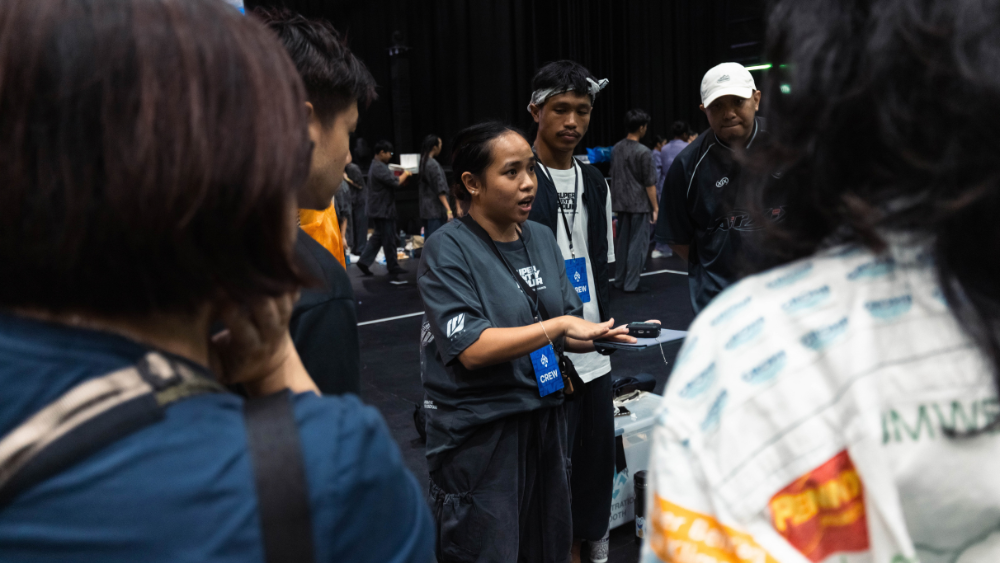
“Rather than seeing leadership as having all the answers, I have learnt to see it as creating an environment where people feel comfortable contributing their ideas and strengths,” Bianca says.
Within SMU EMIX, this meant being willing to listen and trust the people around her while still taking responsibility for her decisions. She came to understand that collaboration was not about getting everyone to think alike, but about finding a shared direction.
Exploring what dance can communicate
Leadership was not the only way Bianca’s understanding of the arts expanded at SMU. University events also gave her room to explore what dance could say and whom it could reach.
Through Return of RE:TURN, a dance production presented at SMU Arts Fest 2025, Bianca worked with research-based movement that examined the disappearing grammar of traditional Malay, Indian and Chinese dance forms. The production also explored their evolution and influence on contemporary genres such as hip-hop.
The process asked something different of her as a dancer. Beyond choreographing movement, she had to consider its cultural meaning and how audiences might interpret it.
“When creating work for a wider audience, I cannot assume that everyone shares the same cultural or artistic context as the performers,” she explains.
This encouraged Bianca to think about how a performance could invite audiences into an unfamiliar subject while remaining authentic to its roots. Dance, she realised, could help share stories and traditions with people who might not otherwise encounter them.
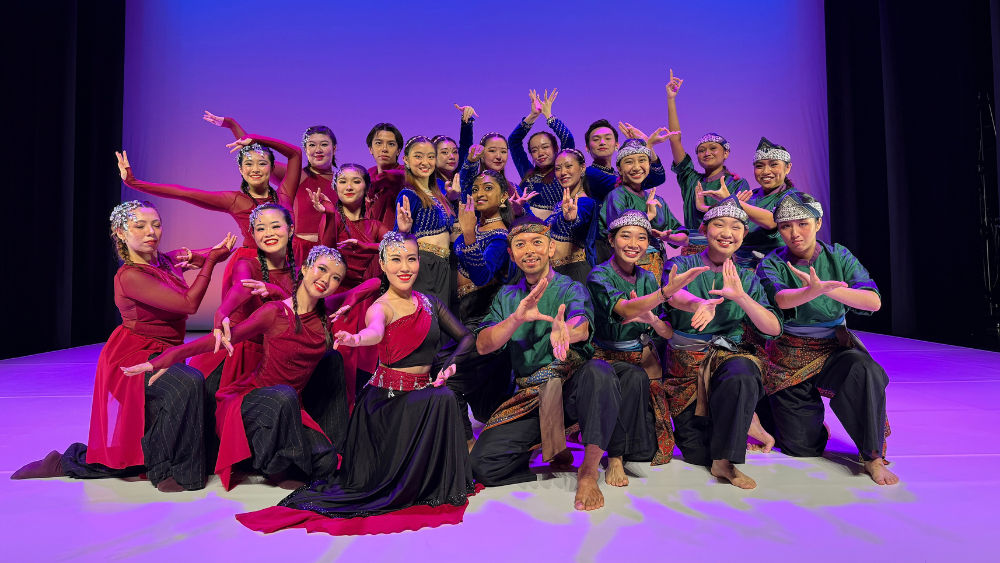
SMU Arts Fest also gave students room to experiment before they had fully developed their artistic voices.
“Not every idea has to be perfect,” she says. “That freedom to try, fail, learn and improve is an important part of artistic growth.”
Seeing audiences engage with the production affirmed that students’ creative ideas had value. More than adding another performance to her repertoire, it gave Bianca the opportunity to ask broader questions about her craft and to see dance as a means of connecting people with ideas beyond their own experience.
Creating opportunities for others
As Bianca’s involvement in the arts expanded, so did her understanding of how she wanted to contribute.
What began as a personal ambition gradually became a desire to help others grow.

“I would like to pay that forward by filling gaps where I can, creating opportunities for others and helping to build a community where artists feel supported and valued,” she says.
Though she is still working out what that contribution might look like, Bianca hopes to bring together her interests in dance and management while continuing to develop research-based performances that explore cultures and lived experiences.
The SMU Emerging Artist Award is meaningful to Bianca not only because it recognises her own growth, but because it reflects the communities that have shaped her along the way.
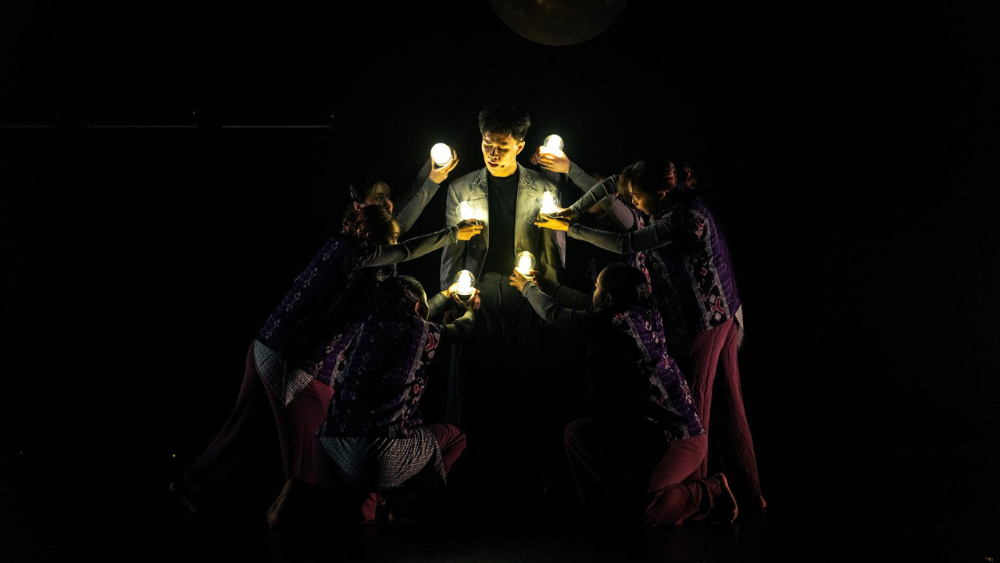
“I do what I do because I genuinely love the art form,” she says. “I see it as recognition not just of my own journey, but of the dancers and communities that have shaped me into the person and artist I am today.”
Bianca entered SMU wanting to become a better dancer. What she found was the space to become an artist who could lead and create opportunities for others.
Her advice to other emerging artists reflects the way she has approached that journey:
“You do not always have to know exactly where you are going or believe that you are ready,” she says. “Sometimes, you just have to take the first step and trust yourself to figure things out along the way.”
Initiated and led by the late Professor Winston Koh and SMU alumnus Hong Huazheng as part of SMU’s 10th anniversary, the SMU Emerging Artist Award recognises talented undergraduate artists and encourages them to continue growing their practice and involvement in the arts. Find out more about the award and its recipients.